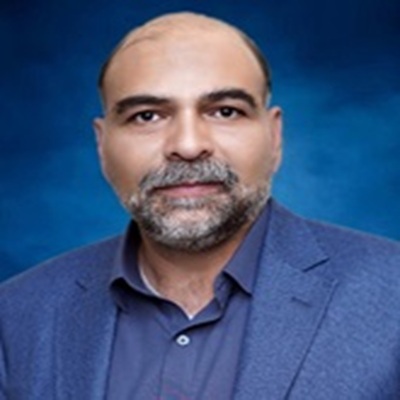
Dr. Abid Ghafoor Chaudhry
In 1999, The Department of Agricultural Economics, Economics and Sociology started an associated Department of Anthropology. After the approval of Scheme of studies the department started functioning in 1999 and the first batch was enrolled in the year 2000. In 2004, both master programs in Sociology and Anthropology were separated from the Department of Economics and Agricultural Economics. The Department of Anthropology started working independently as a fully fledged department in 2016. The department of Anthropology after careful examination of the national requirements and the international standards also started BS program in 2019.
The program of Anthropology aspires to provide the essential skills in understanding the developmental issues of Pakistani society particularly the rural Pakistan. The existing curriculum targets the needs to have dynamic and progressive social scientists particularly in the domains of Anthropology to address the emerging socio cultural issues in Pakistan. Moreover, the department plans to initiate the M Phil program, from the year 2015, due to the colossal demand within the academic sector of a new institution, due to unavailability of any public institution accept Quaid- i- Azam University in Pakistan.
The program provides a variety of important sub disciplines for instance Archaeology, Socio-Cultural Anthropology, Linguistics, Physical Anthropology, Indigenous Knowledge and traditional wisdom, past societies, Political Anthropology, Religion, Global Cultural Transformation, Perspectives on Development, Anthropology of Pakistan and South Asian Societies. The program builds on their knowledge in such a way that initially they are oriented towards the discipline and then courses from all the major subfields of Anthropology are taught. Students do have optional and minor courses from within and outside the department. They are equipped with extensive training on research through field assignments and courses designed specifically on research and theory. Moreover, students are strategically encouraged to develop their professional writing skills through assignments focusing on writing research paper. In the final semester, the whole focus of the degree i.e. research is undertaken by the students. It compromises of at least a 4-6 months extensive field work and later the thesis reports are prepared. The whole exercise is supervised by the faculty. It gives them basic societal understanding and insights to furnish the professional abilities. It also educates graduates to better understand and contribute towards the developmental and progressive needs of the society.
To prepare students for careers requiring acquisitions, acquirements, cognition, and noesis from a synthesis of the natural and social sciences.
The department and its faculty strongly believes that beneficiaries and students in anthropology are generically thinking beings who are expected and supposed to expose and demonstrate their innate depths of intellect, efficacious reading and authorship and the ability to become problem shooters spanning the humanities, natural sciences and the cultural diversity characteristic of the modern world.
- The program bridges the gap between major stakeholders i.e. NGOs and INGOs, academic realm and R&D sector.
- Department is currently planning to initiate orientation sessions at undergraduate level intending career counseling that shall broaden the awareness of the subject’s academic and practical significance.
- To frequently shape new courses as per the developmental needs and academic requirements of the discipline and introducing them in new scheme of studies.
- Focusing the research over arid areas of Punjab, in line with universities mission, be used as course material for designing new courses in the next scheme of studies or publication material.
- To build department’s image as a research center, attracting all the major stakeholders including Government departments, organizations and agencies, international donors, international non-governmental organizations, national level NGOs and other civil society organizations forming a nexus that will lead to the development of a functioning cell for generating solutions for social issues and student’s professional grooming.
- Awareness about the subject’s subject matter is necessary to make the communities more responsive in terms of enrollment in both masters and MPhil level.
- Inclusion and restructuring new courses as per the global trends introduced in the discipline. The focus shall be now on the applied and socio-cultural aspect that will help the students practically be involved in the professional mainstream.
- Compiling the demographical ethnographic data attained through the research objectives can serve as an opportunity to highlight the issues of the Potohar region through reports and publications which will be later used to shape research projects.
All the students in Anthropology should possess the ability for
- Engaging students in various research projects being carried out by different agencies by enhancing their exposure to different development initiatives. Further involving them in research, publication, and other professional activities to advance the discipline and disseminate information to both professional and lay audiences.
- Involving community educational institutions in awareness sessions will lead to assimilation of motivated, fervent and productive students increasing and adding to the mass of enrolments.
- Striving to design courses informed by anthropological perspectives, indoctrination of students in the global mainstream of the discipline.

The only official Facebook Page of Anthropology Department, PMAS – Arid Agriculture University Rawalpindi. Operational since 1999 in PMAS-AAUR.
Dr. Abid Ghafoor Chaudhry
Chairman
HEC Approved Supervisor
Phone: +92-51-9292200
Email: [email protected]
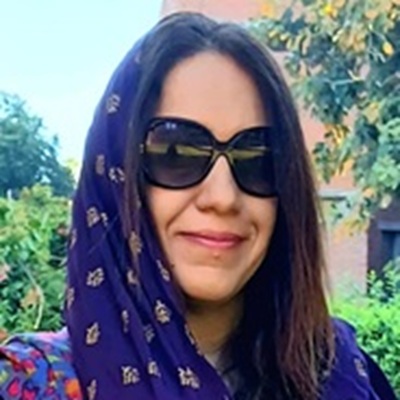
Dr. Nazia Rafiq
Assistant Professor
Phone: +92-51-9292161
Email: [email protected]
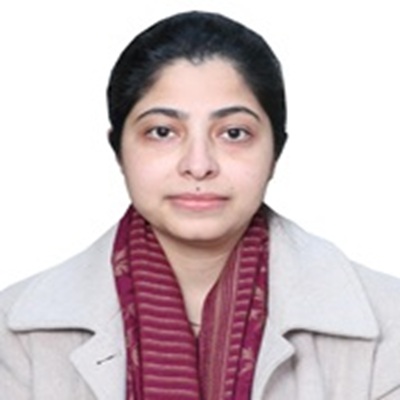
Dr. Mahwish Zeeshan
Lecturer
Phone: +92-51-9291059
Email: [email protected]
Ms. Rabia Jawed
Lecturer
Email: [email protected]
Mr. Muhammad Riaz
Lecturer
Phone: 03355269585
Research Collaborations
Recent Research Projects
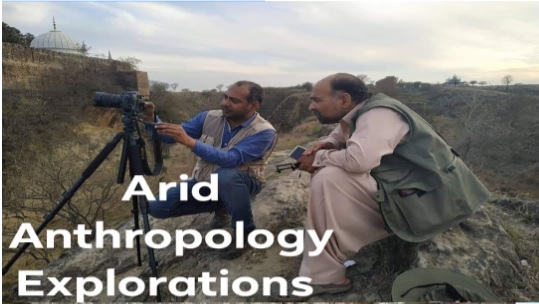
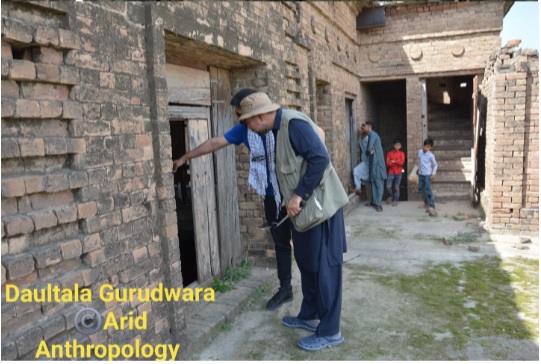
Explorations by Arid Anthropology
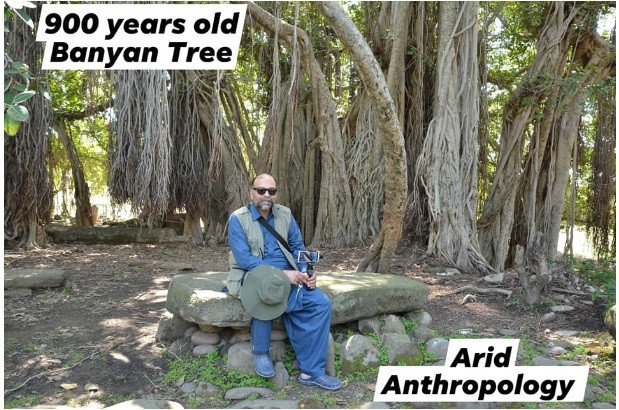
Thematic Lecture Series of Department of Anthropology
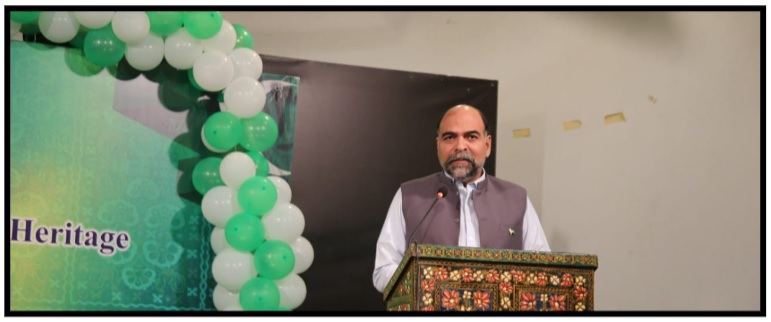
Thematic Lecture by Dr. Abid Ghafoor Chaudhry (Chairman of Anthropology Department, PMAS-AAUR)
Date: 14-August-2022
Topic: Diminishing Indigenous Knowledge System and Cultural Heritage in Pakistan: A Case Study of Potohar
Dr. Abid Ghafoor Chaudhry, Chairman, Department of Anthropology, PMAS Arid Agriculture University, Rawalpindi delivered “A Thematic Lecture on Diminishing Indigenous Knowledge System and Cultural Heritage in Pakistan: A Case Study of Potohar (The New Game Changer). An Innovative approach on Cultural Capsule of Pakistan and Indigenous Economic Corridor (CCPIEC)”. The lecture was delivered in Lok Virsa Event titled ” A Cultural Review of 75 Years and beyond” organized by National Institute of Folk Traditional Heritage, wherein students of DOA and officials participated as listeners. The lecture was scheduled on 14tht of August, 2022.
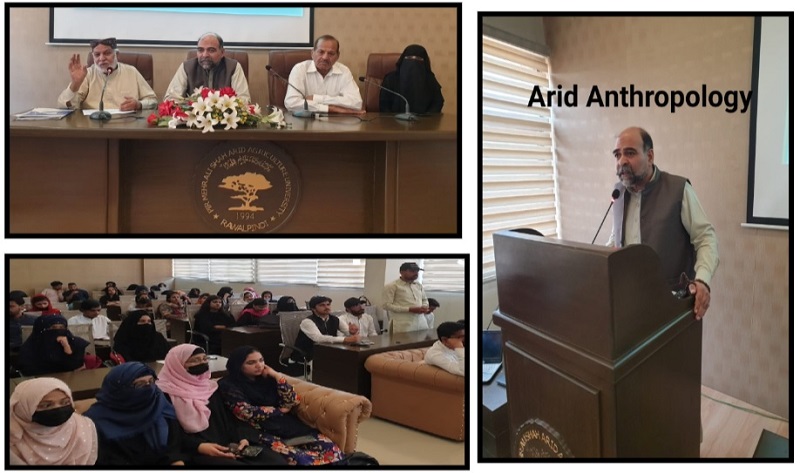
Thematic Lecture by Prof. Dr. Hafeez ur Rehman Chaudhry (Anthropology Department, Quaid-i-Azam University)
Date: 24-June-2022
Topic: Agricultural Anthropology and Sustainable Rural Development
Prof. Dr. Hafeez ur Rehman Chaudhry delivered his key points during the Thematic Lecture, organized by Department of Anthropology on “Agricultural Anthropology and Sustainable Rural Development” held in the KOICA seminar hall of PMAS – AAUR. As a Co-speaker Dr. Abid Ghafoor Chaudhry, Chairman Department of Anthropology delivered a lecture on Anthropology of South Asia. The lecture theme was “Non-traditional Security Threats, Interstate Conflicts, Climate Change, Human Security, and Sustainable Rural Development in South Asia”. The lecture was scheduled on 24th June 2022, wherein all students and officials participated as listeners. Lectures started at 10:00 am and were concluded at 01:00 pm.
Thematic Lecture by Ms. Shagufta Hamid Ali (Anthropology Department, PMAS-AAUR)
Date: 31-March-2021
Topic: Agricultural Anthropology and Rural Development: Heritage and Farming
The Department of Anthropology (DOA) organized the sixth lecture in its Thematic lecture series with the collaboration of DAS, PMAS-AAUR. Ms. Shagufta Hamid Ali Lecturer from Department of Anthropology PMAS-AAUR delivered the online lecture through Zoom software, wherein 92 students and officials participated as listeners. The lecture was scheduled on 31st of March, 2021. Lecture started at 02:00 pm and was concluded at 03:00 pm.

Thematic Lecture by Dr. Aneela Sultana (QAU)
Date: 23-November-2020
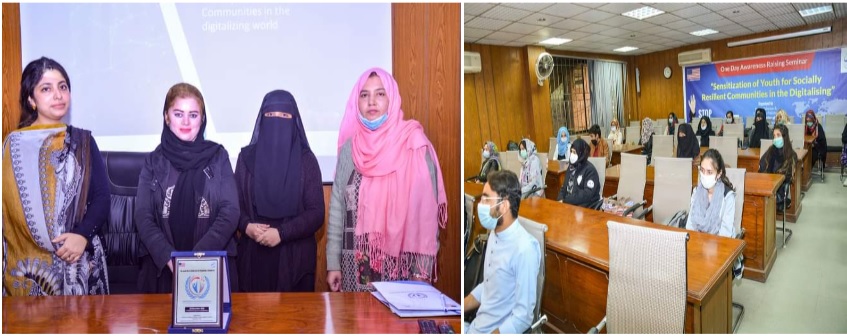
Topic: Sensitization Session with Students on Social Resilience in Digitalizing World
Department of Anthropology in collaboration with QAU, Baharia Univerity and US Mission in Pakistan organized sensitization session with 11 universities of twin cities, approaching 550 students to sensitize them on “Social Resilience in Digitalizing World”. Dr. Aneela Sultana from Department of Anthropology QAU, Ms. Sohima Anzak from Bahria University, and Ms. Mahwish Zeeshan Lecturer from Department of Anthropology PMAS-AAUR delivered the lecture in the main seminar hall. Lecture started at 02:00 pm and was concluded at 4:00 pm.
Thematic Lecture by Ms. Maryam Noor from Human Development Research Foundation
Thematic Lecture by Ms. Zakia Batool Najafi (PIDE, Islamabad)
Date: 29-November-2019
Topic: The Philosophy of Islam and Existentialism
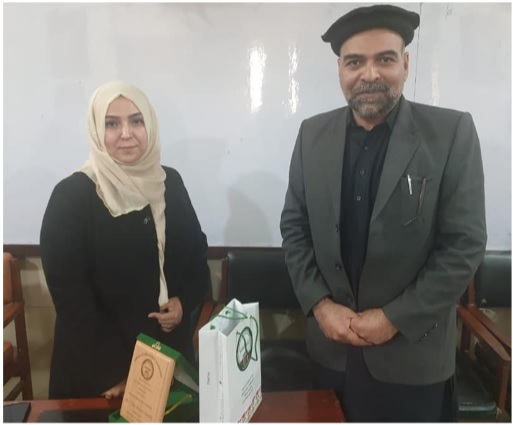
The fourth guest lecture from thematic lecture series was organized by Department of Anthropology (DOA) PMAS-AAUR on 29th of November, 2019. Internationally Famed Scholar Ms. Zakia Batool Najafi was invited by the department of Anthropology for Thematic Lecture on the topic of “The Philosophy of Islam and Existentialism”. The lecture started at 02:00 pm and was concluded at 4:00 pm.
Thematic Lecture by Dr. Zulfiqar Ali Kalhoro (PIDE, Islamabad)
Date: 29-November-2019 Topic: Religion in Tharparkar: An Anthropological Perspective
Department of Anthropology, PMAS-AAUR organized the third guest lecture from its thematic lecture series. Dr. Zulfiqar Ali Kalhoro from Department of Development Studies in the Pakistan Institute of Development Economics (PIDE), Islamabad was invited by DOA to deliver the lecture on the topic of ‘Religion in Tharparkar: An Anthropological Perspective’. The lecture was scheduled on 29th of November. The lecture started at 11:00 am and was concluded at 1:00 pm.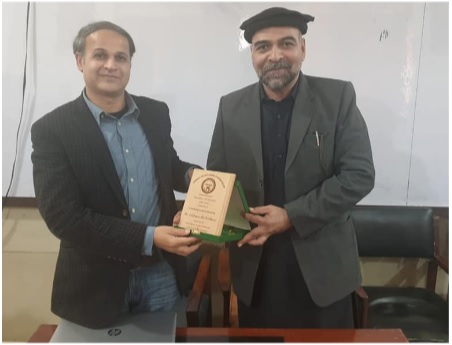
Thematic Lecture by Ms. Shakeela Ibrahim Raja (COMSATS University ISB)
Date: 26-January-2018
Topic: Role of Modernization in Changing Social Structure of Society
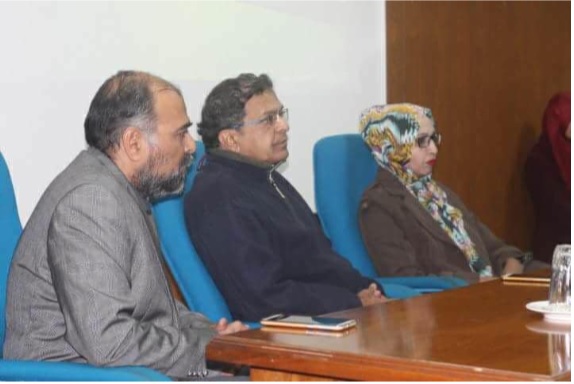
Department of Anthropology organized the second lecture from its thematic lecture series. Ms. Shakeela Ibrahim Raja from COMSATS University, Islamabad was invited by DOA to deliver the lecture on the topic of ‘Role of Modernization in Changing Social Structure of Society’. The lecture was scheduled on 26th of January and the venue for the lecture was Main Seminar Hall. The lecture started at 10:00 am and was concluded at 12:00 am.
Thematic Lecture by Dr. Shah Heer Ellahi from Bahria University
Date: 25-January-2018
Topic: Cultural Imperialism ‘Ideas and Debates’
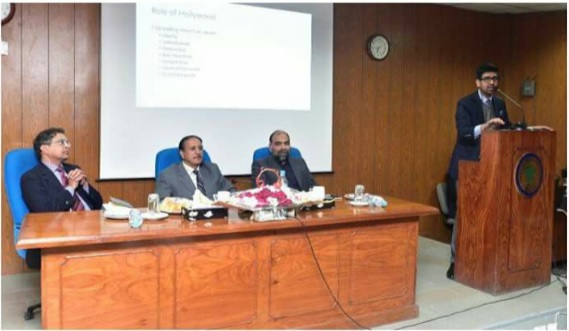
The Department of Anthropology (DOA) organized the first lecture in its Thematic lecture series. Dr. Shah Heer Ellahi was invited by the DOA to deliver the lecture on the topic of ‘Cultural Imperialism: Ideas and Debate’. The lecture was scheduled on 25th of January and the lecture was delivered in the main seminar hall. Lecture started at 10:00 am and was concluded at 12:00 pm.
Glimpse of 1st Alumni
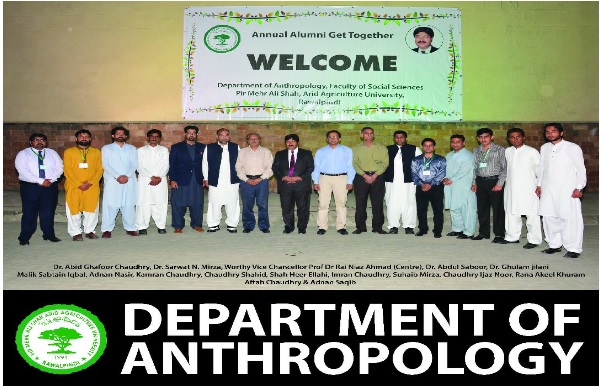
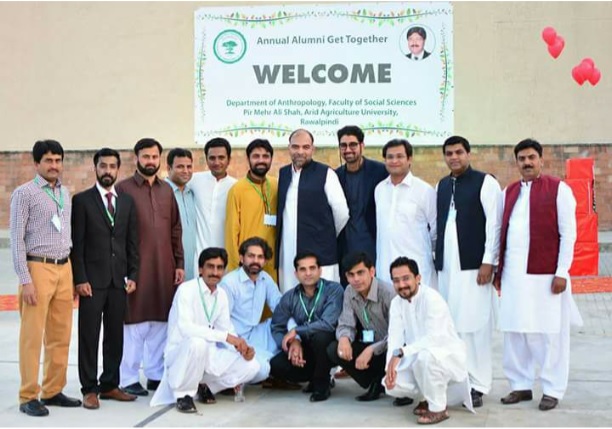
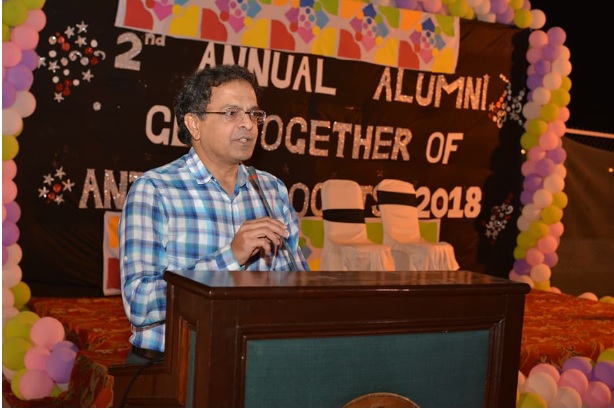
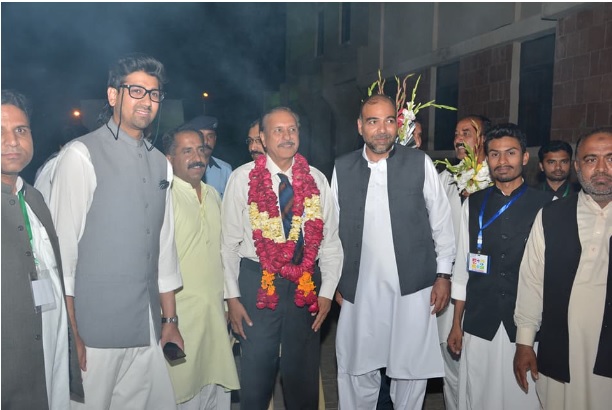
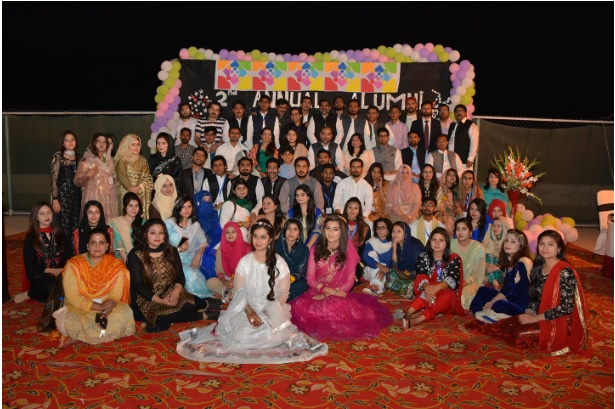
Glimpse of 2nd Alumni