Dr. Muhammad Sajid Nadeem

We aim to produce quality human resource to address contemporary problems dealing with animal ecology and conservation by doing research on cross cutting issues.
We established herpetology lab at the Department of Zoology, Wildlife and Fisheries, under an international research grant (International Foundation for Science, Sweden, grant#5459-1, amount: 12,000 USD) and an NRPU awarded by the Higher Education Commission, Pakistan (grant#3170, amount: 8.20 million Pak. Rs.).
Our work primarily focuses species of amphibians and reptiles associated with wetlands (Riverine, Lacustrine, Palustrine, Forested and Urban Wetlands). Besides this, we also work on water birds or mammals associated with wetland ecosystems.
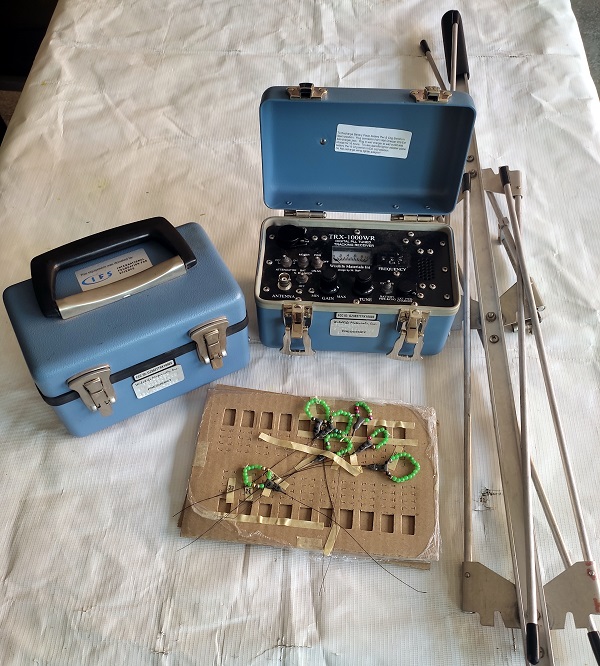
We work on relative abundance estimation, morphometry, population monitoring, species occupancy analysis, species distribution modeling, metapopulation, movement pattern, climate change, molecular taxonomy and method development using scientific tools such as Radiotelemetry (VHF), Animal Marking (VIE, PIT tags), Bioaccoustics, DNA barcoding, Remote sensing/GIS and eDNA.
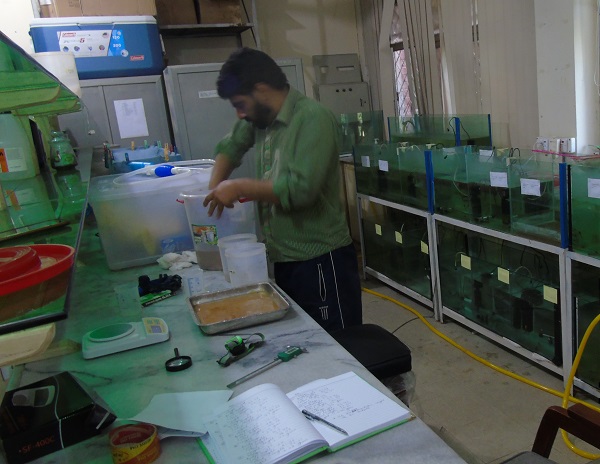
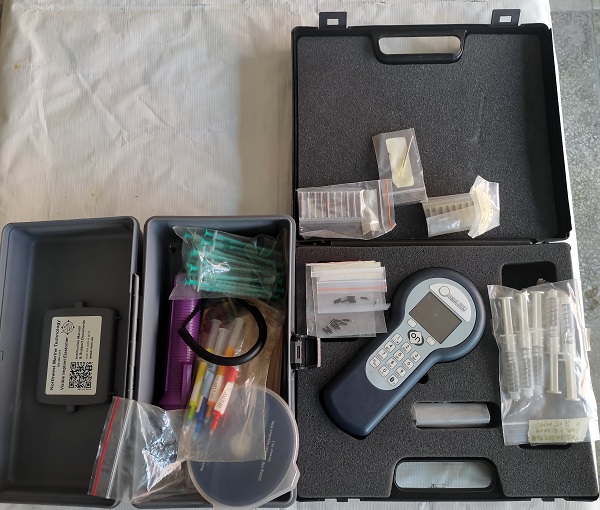
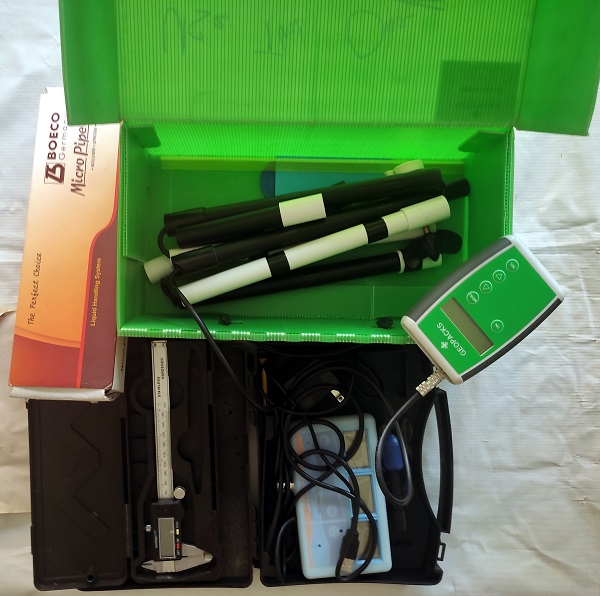
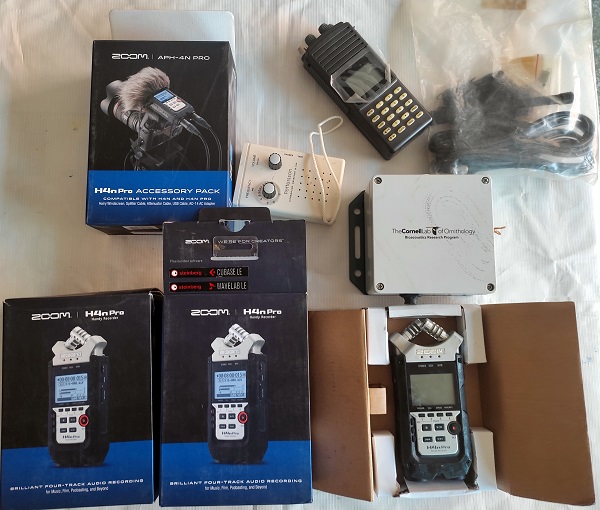
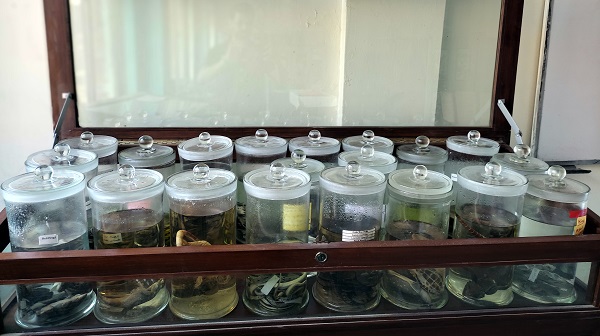
Our lab is equipped with radiotelemetry gear, GPS, sound recorder (manual and automated), weather meter, stream flow meter, water quality analyzer, animal marking kit (PIT tags, reader, VIE), snake handling sticks, DSLR camera (with an additional Macro lens), centrifuge, ArcMap 10.5.1 (licensed), Raven software and a few dozen specimens of amphibians and reptiles. We also have a tadpole rearing facility at our lab.
- Luedtke, J.A., Chanson, J., Neam, K. et al. 2023. Ongoing declines for the world’s amphibians in the face of emerging threats. Nature. 622, 308-314. https://doi.org/10.1038/s41586-023-06578-4
- Rais, M., Nawaz, M.A., Gray, R.J., Qadir, W., Ali, S.M., Saeed, M., Akram, A., Ahmed, W., Sajjad, A. and Leston, L., 2023. Niche suitability and spatial distribution patterns of anurans in a unique Ecoregion mosaic of Northern Pakistan. Plos One, 18(6), p.e0285867. https://doi.org/10.1371/journal. pone.0285867
- Saeed M, Rais M, Akram A, Williams MR, Kellner KF, Hashsham SA, Davis DR. 2022. Development and validation of an eDNA protocol for monitoring endemic Asian spiny frogs in the Himalayan region of Pakistan. Scientific Reports. 12: 5624 (2022). https://doi.org/10.1038/s41598-022-09084-1
- Balouch , S., Driscoll1, D.A., Naseer, A., Rais, M. and Doherty, T.S. 2022. Impacts of land cover on reptile movement and habitat use in farming landscapes. Animal Conservation (John Wiley and Sons). doi:10.1111/acv.12789.
- Rais, M., Ahmed, W., Sajjad, A., Akram, A., Saeed, M., Hamid, HN. and Abid, A. 2021. Amphibian fauna of Pakistan with notes on future prospects of research and conservation. Zookeys. https://doi.org/10.15468/uhhpxg
Dr. Muhammad Rais, Assistant Professor, Zoology, Wildlife and Fisheries, PMAS-AAUR
Post-Doc: Australia (2015), Trainings in Herpetology USA (2013) and India (2012)
Member of IUCN Amphibian Specialist Group, Conservation Planning Specialist Group, Species Survival Commission, Commission on Ecosystem Management (Thematic groups: Forest Ecosystems, Mountain Ecosystems, Wetland Ecosystems, Biosphere Reserves and Sustainable Use and Management of Ecosystems), Executive Council Member (2022-2026 and 2017-2021), Zoological Society of Pakistan (Established 1968)
- Future Leader in Amphibian Conservation Award (2020) awarded by Amphibian Survival Alliance
- Australia Awards, Professional Development Opportunity for Pakistan (2020), Government of Australia.
- Dr. Aleem Chudhary Gold medal (March, 2019) awarded by Zoological Society of Pakistan
Amphibian Survival Alliance International, Zoological Research Museum Alexander König, Germany and Deakin University, Melbourne, Australia.
- Dr. Muhammad Zaheer Khan, (Retd.) Professor, Department of Zoology (Wildlife), University of Karachi, Pakistan.
- Prof. Dr. Bruce Kingsbury, Department of Biology, Purdue University, Indiana, USA.
- Prof. Dr. Don Driscoll, Terrestrial Ecology, School of Life and Environmental Sciences, Director, Centre for Integrative Ecology, Deakin University, Melbourne, Australia.
- Dr. Bernd Gruber, Associate Professor, Spatial and Ecological Modelling, Institute for Applied Ecology, University of Canberra, Australia.
If you are interested in joining us as a research scholar (MS/ PhD) or volunteer/internee (unpaid), please contact at [email protected].
Animal Marking Equipment
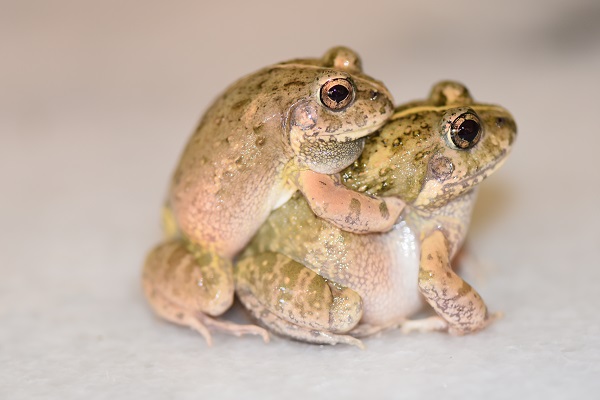
Burrowing Frog
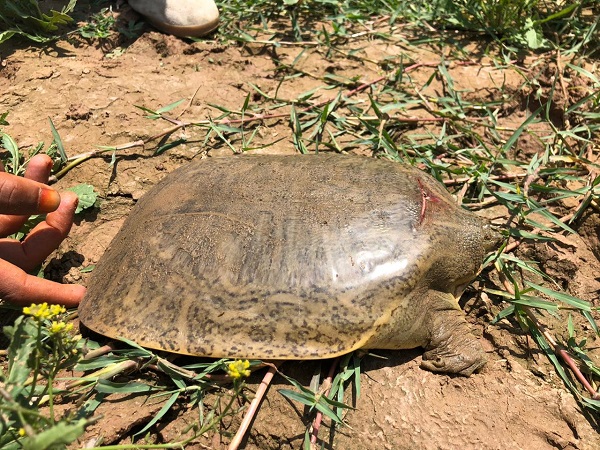
Chitra indica
Stream Flow Meter and Vernier Caliper
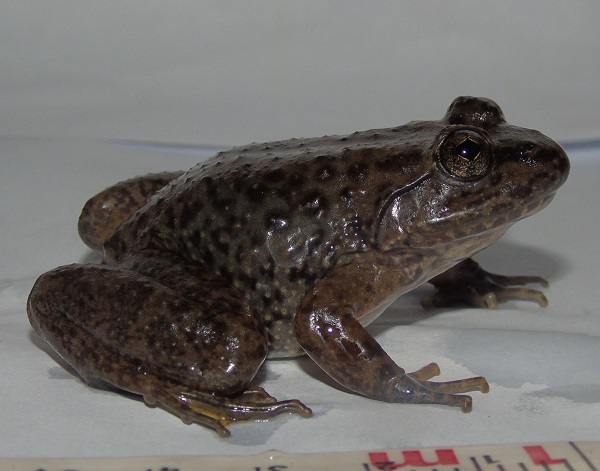
Hazara Frog
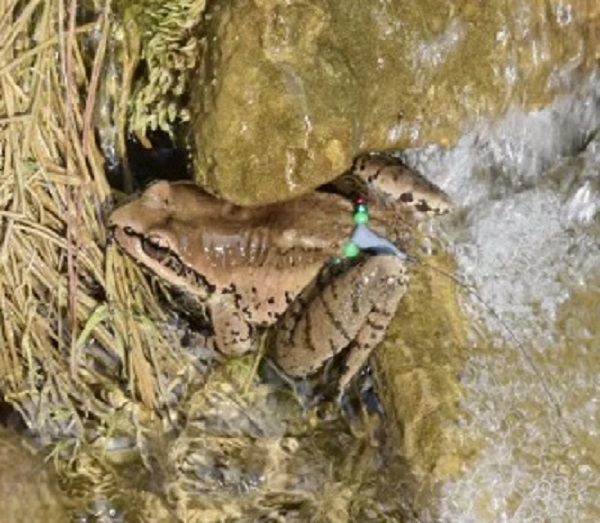
Murree Hills Frog with BD-2 transmitter
Radiotelemetry
Sound recorders
Specimens
Tadpole rearing